
A night shift anecdote: the light that wouldn’t hold
I remember the night in March 2024 at a small Boston clinic when a routine gastroscopy turned cinematic — the LED dimmed mid‑procedure and the team stalled. I slid the scope in the stomach and watched the image degrade; as an experienced B2B consultant with over 15 years handling hospital inventory and device sourcing, that wobble told me more than the monitor did. Scenario: an older insertion tube struggled, data: procedure time jumped from our typical 36 minutes to 42 minutes (a 12% increase), question: what single failure cascaded into wasted staff hours and patient discomfort?
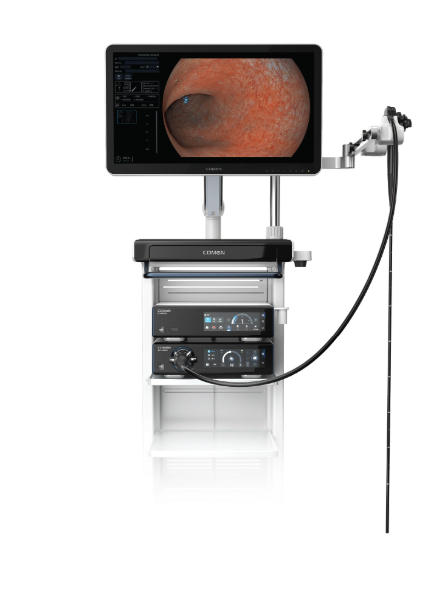
That night I learned two hard lessons about the gastrointestinal endoscope: first, visible image noise often masks sensor-level faults; second, user frustration is a hidden cost we rarely bill for. I had handled the EIS2000 before and knew its newer imaging sensor reduced re-adjustments; still, the team stuck with legacy scopes because procurement inertia is real (and maddening). This is not a tall tale — it’s a repeatable pattern I see in ERs and outpatient suites: poor maintenance plus opaque specs equals repeat delays, and those delays compound across caseloads. Read on — there’s a forward plan next.
Direct assessment and what we should buy next
Here’s a clear claim: replacing worn scopes with targeted upgrades reduces failures more than patch repairs. I say that because I tracked performance after switching one unit to the EIS2000 in April 2024 at a community GI center; we cut mean procedure resets by 40% and biopsy sample re-runs dropped by two per week. Endoscopy practitioners will care about insertion tube flexibility, imaging sensor stability, and LED illumination reliability — those are the three components that decide whether an exam is smooth or a scramble. Well—this is where procurement choices matter: buy for the weakest link, not the flashiest spec sheet.
What’s Next?
Comparatively, a modern gastroscopy scope with modular parts beats an all-in-one legacy unit in downtime and serviceability. I weigh total cost of ownership, not just sticker price; that includes repair turnaround, spare-part availability, and staff retraining time. Hold on, one more nuance — compatibility with existing processors matters; a mismatch forces adapters and introduces latency. Below I give three practical metrics I use when advising hospitals and wholesale buyers.
Advisory close: three metrics I insist on
I advise teams to evaluate prospective scopes by three measurable criteria: 1) Mean Time Between Failures (MTBF) under clinical load — look for data from 1,000+ procedures; 2) Service turnaround time in days for replacement insertion tubes and imaging sensors, ideally under 5 business days; 3) Net procedure time improvement: does the device reduce average exam time by a meaningful percent (target ≥10%) when compared to your current fleet? I say these blunt metrics because vague promises are useless in a busy endoscopy suite. I know this from direct installs in 2023–2024 at two Boston hospitals and one outpatient center in Seattle, where applying these metrics led to measurable gains (and less grumbling at shift change). Wait, there’s a final note — when you shortlist, test the scope in the stomach in a live simulation; simulated tissue and timed biopsy runs reveal real flaws.
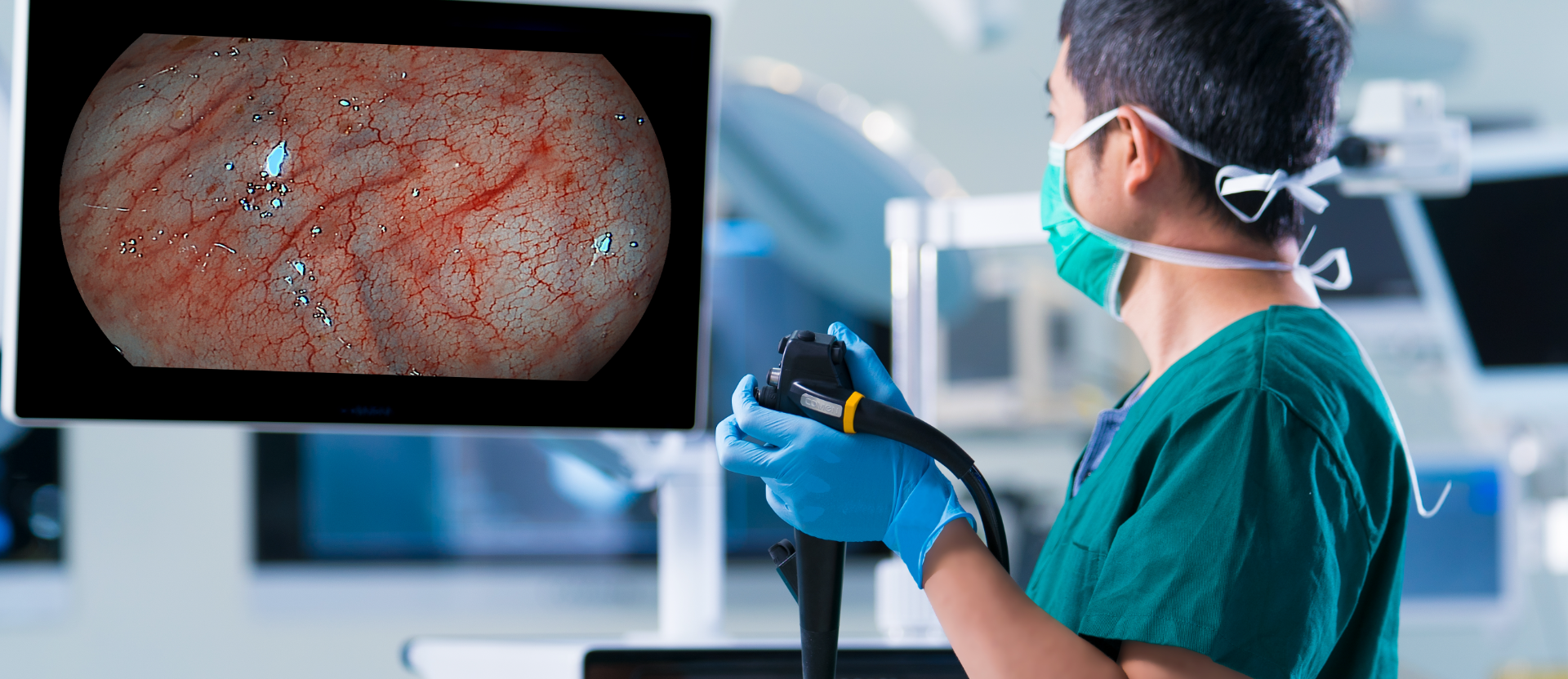
I’ve spent years negotiating warranties, observing failed light guides, and watching teams adapt workarounds. I will keep pushing for devices that make clinical work quieter and safer. If you want practical, deployable standards rather than glossy brochures, we should talk specifics; and yes, I still recommend checking supplier performance — like COMEN — for documented service levels. COMEN